Definition
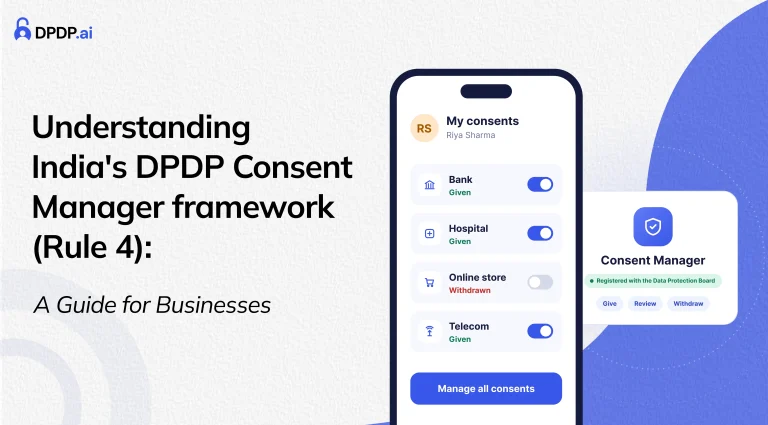
Granular consent is a type of consent where an individual can decide whether they want to give consent or decline particular processing activities of their personal data. This provides more control over how an individual’s personal data is processed.
Under the Digital Personal Data Protection (DPDP) Act 2023 in India, the consent given must be freely given, specific, informed, absolute and unambiguous with a positive action. If an organisation is relying on consent for multiple distinct reasons, then it must ensure that the consent is given in line with the requirements of the act.
Key Elements of Granular Consent
- Allows individuals to make separate decisions about different data processing activities.
- Provides understandable information about why personal data is collected and how it will be used.
- Enables individuals to consent to one purpose without being required to accept unrelated processing activities.
- Supports the withdrawal of consent in accordance with applicable requirements.
- Helps organisations record and manage consent choices throughout the data processing lifecycle.
It increases transparency by allowing individuals to have more meaningful control over their data. It provides greater clarity around the purpose for which data is being processed, and allows organisations to improve the clarity of the consent they receive, while reducing the risk of using consent that doesn’t truly reflect the choices made by individuals.
Frequently Asked Questions
What is Granular Consent?
It enables individuals to provide consent for specific data processing activities.
How does Granular Consent differ from General Consent?
In general consent sometimes there will only be one option for multiple processing activities. With granular consent, you have separate options for different processing purposes.
Does it have to be a Granular Consent under the DPDP Act?
Under the DPDP Act, consent must be specific and informed. When seeking consent organisations should ensure that consent is obtained for the relevant purpose. This can be done using separate controls, however there is no set way to have the interface under the DPDP Act.
How can organisations implement Granular Consent?
It can be achieved by providing clear consent notices, providing consent for specific purposes, easy access to preferences and accurate documentation of the consent given for the processing purpose.