Definition
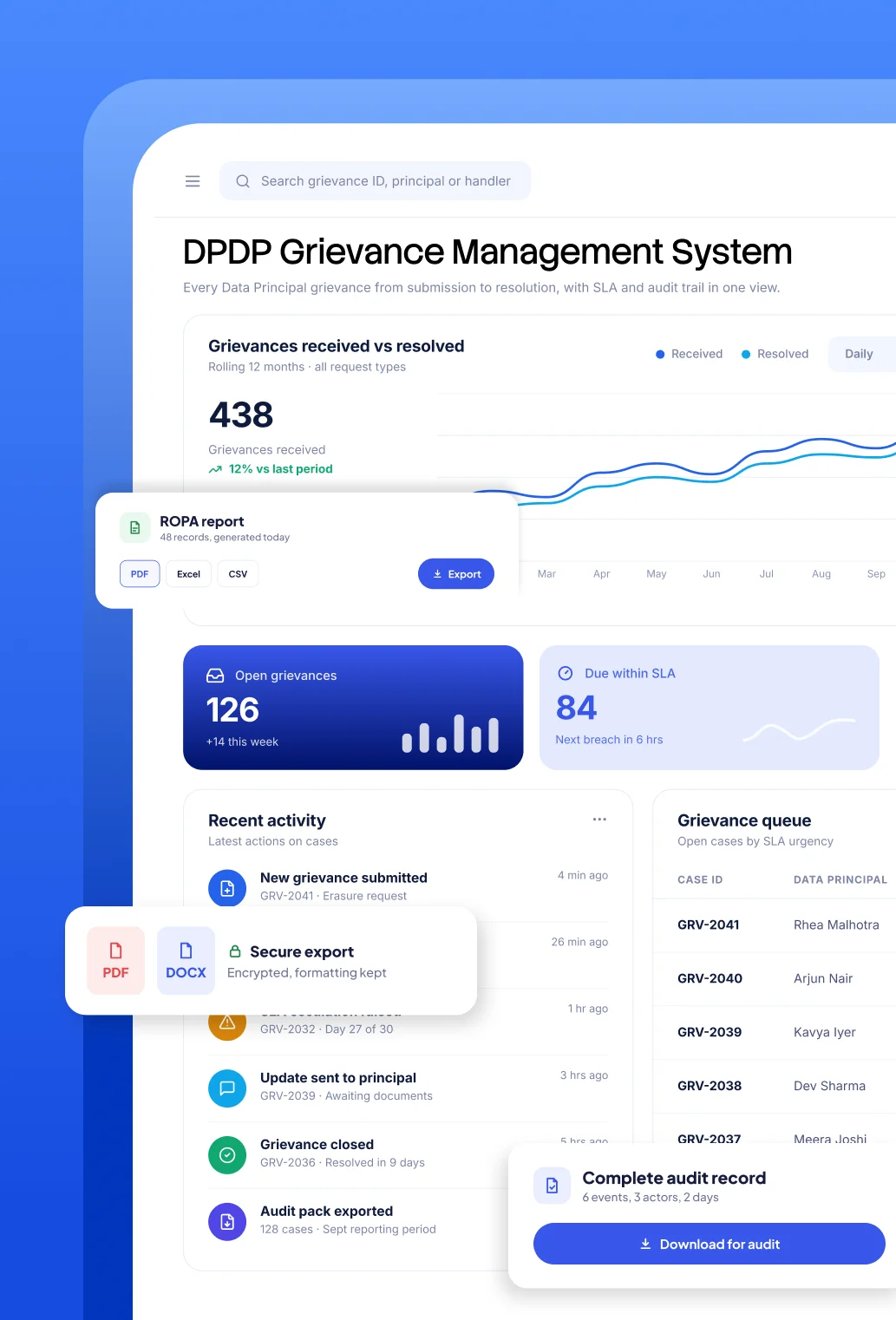
An audit trail is a process implemented in recordkeeping through available systems or programs. It helps to identify who has made changes, what changes have been made, and when it happened. Moreover, it can be useful for companies as it helps to monitor the operation of the systems, identify illegal operations, etc.
Audit trails can be used for:
- Tracking modifications of significant records.
- Investigating security breaches.
- Identifying strange and unauthorized actions.
- Gathering evidence for internal investigations and audits.
According to the DPDP Act of 2023, Data Fiduciaries are supposed to implement certain security measures to protect personal data. Audit trails may help companies with this task by ensuring monitoring of necessary actions and implementation of investigation. However, audit trail management alone does not guarantee compliance with the Act.
It is also important to ensure protection of audit record from unauthorized access to as well as alteration of the filed data and use appropriate retention periods. In this regard, companies need to avoid storing unnecessary personal data in logs which may create privacy risks.
Frequently asked questions
What is an audit trail in data protection?
It is a timestamped record of every key action taken on personal data. It shows who acted, what they did, and when.
How long should logs be kept under the DPDP Rules?
Rule 6 says logs and related data should be kept for 1 year, unless another law requires a different period. CERT-In Directions separately require ICT logs for 180 days in India.
What makes an audit trail tamper-proof?
Entries are written in append-only form and cannot be edited. Cryptographic checks, such as hashes and seals, let an auditor confirm nothing was changed.